

Exploring Korean Traditional Music: Gugak, Pansori, and more
Steeped in rich cultural heritage, Korea is a land boasting a rich repository of music with centuries of history. Learn all about Korean traditional music here.
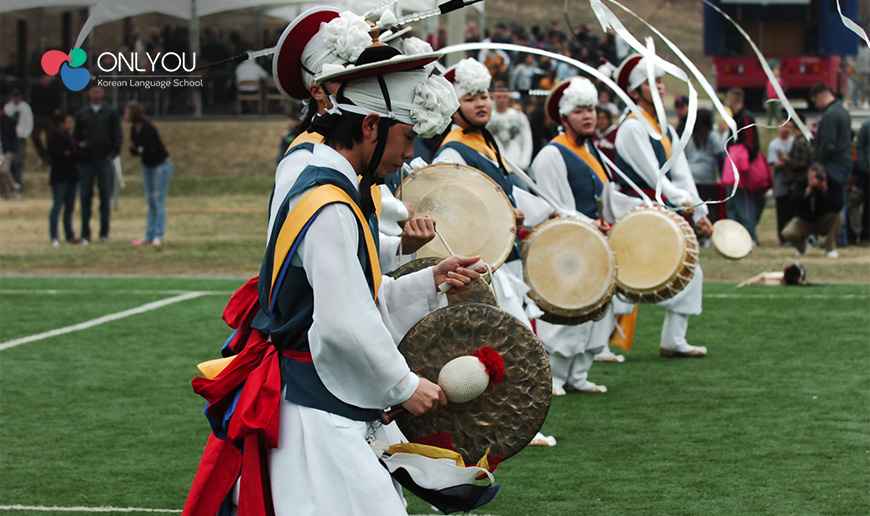
Korean popular music, or K-pop, has become such a global phenomenon that even those with limited exposure to the genre have likely heard one or two K-pop songs once. However, K-pop isn’t all that Korea offers. As a land steeped in rich cultural heritage, the country also boasts a rich repository of traditional music with centuries of history. Curious about this side of Korean music? From gugak to pansori, we’ll share with you all about the music that has shaped Korea’s art and entertainment scene.
Learn More: The K-Pop Dream: What Does It Take To Be An Idol In Korea
What is Korean Traditional Music?
Korean traditional music is a musical genre deeply intertwined with the heritage of the Korean Peninsula. It showcases a diverse range of styles, instruments, and performance forms, each resonating with its unique charm and historical significance.
In ancient Korea, music was categorised into two types: those enjoyed by the royal family, and the ones available to the commoners.
Within the royal court, indulging in music was a sophisticated affair carefully curated to offer an exquisite experience. Pieces were tailored to the tastes of the aristocracy, and often featured elegant and intricate compositions performed on instruments like the gayageum—a traditional zither—and daegeum—a bamboo flute.
On the other hand, music enjoyed by the commoners embodies a raw, emotional depth, and is usually accompanied by a singer.
Types of Korean Traditional Music
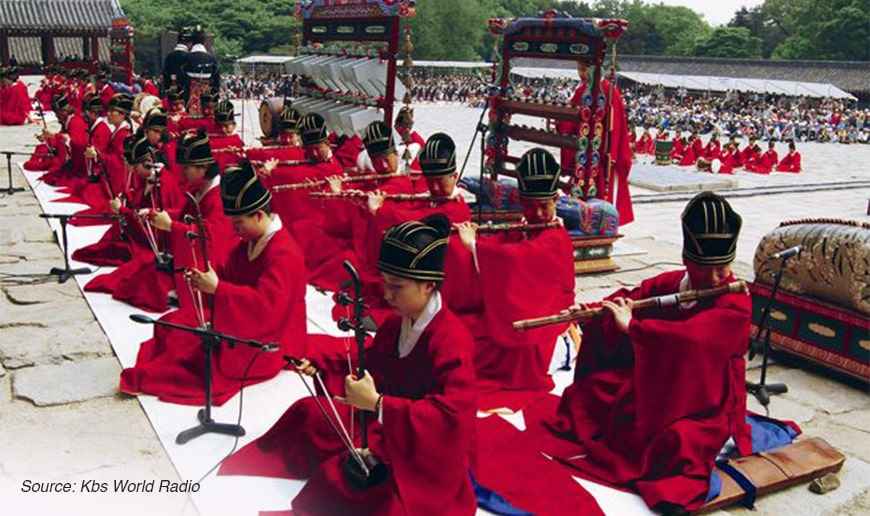
Source: Kbs World Radio
- 종묘 (jong-myo, 宗庙) — Jongmyo Shrine, Royal Ancestral Shrine
- 제례 (je-lye, 祭礼) — Ritual
- 악 (ak, 乐) — Music
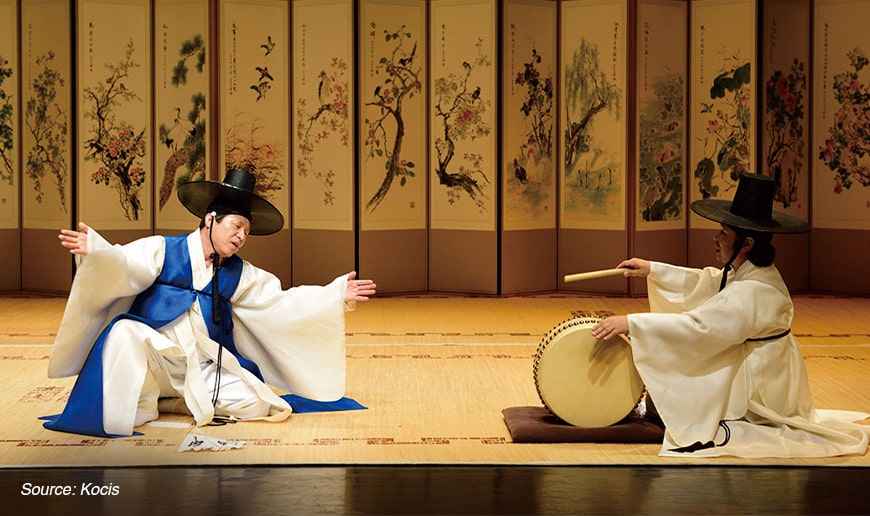
Source: Kocis
- A-ak refers to the music of the royal court during the Joseon Dynasty.
- Dang-ak refers to chamber music and was performed in aristocratic homes and scholar-official residences during the Joseon Dynasty.
- Hyang-ak translates to folk music and represents the common people of ancient Korea. It includes various regional folk traditions and styles.
Want to delve deeper into the wonders of Korea and its rich culture? ONLYOU Korean Language School offers Korean lessons in Singapore to help you learn Korean in enjoyable and engaging ways. Explore our classes here!